If you’re leasing an office in Sydney, you’ll hear Cat A, Cat A+, and Cat B thrown around in almost every conversation. A Cat A (Category A) fitout is the base-level landlord finish that makes a tenancy safe, compliant, and “services-ready”, but still a blank canvas for your workplace design.
One thing to keep in mind is that Cat A isn’t a single fixed standard. What’s included can vary between buildings, landlords, and lease agreements, so it’s worth confirming the exact scope before you budget or plan your move.
What’s Typically Included In A Cat A Fitout?
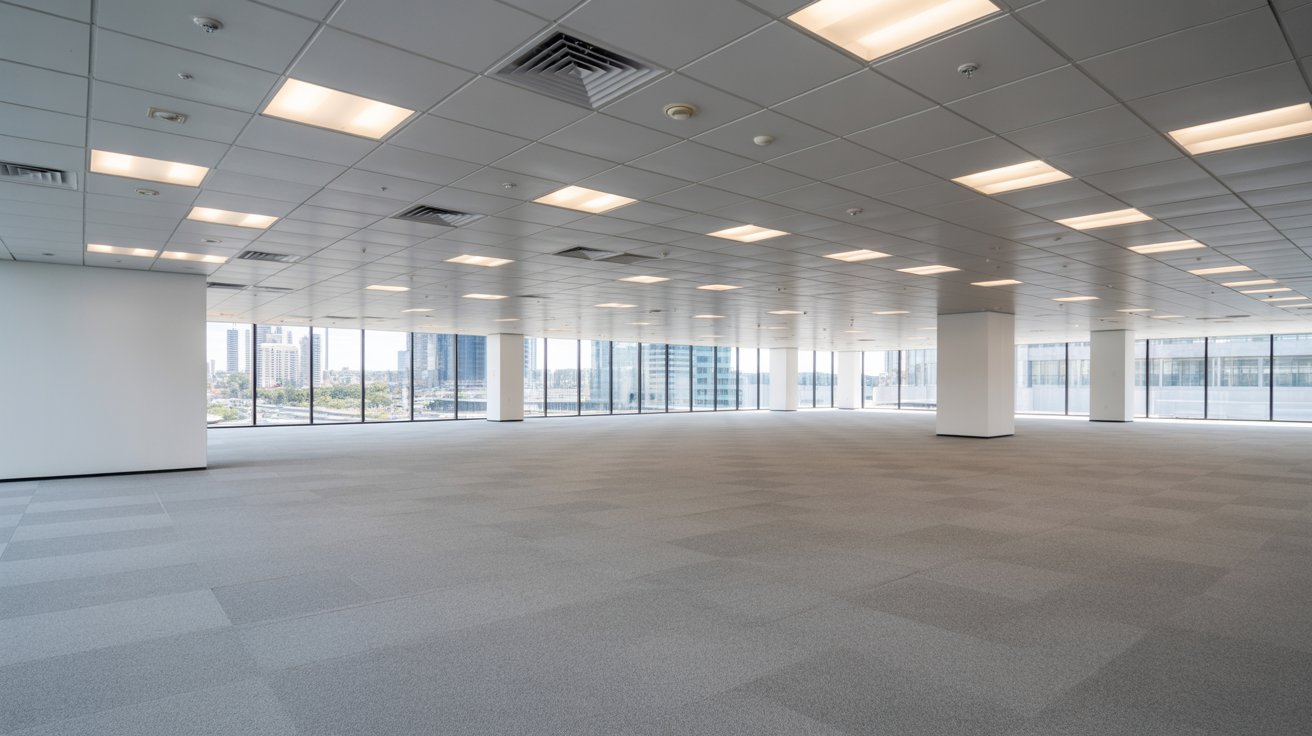
A Cat A fitout usually covers the building essentials and the “base build” items that most tenants expect before they start their own fitout. Depending on the site, this can include:
-
Ceilings, often a suspended grid and tiles
-
Base lighting, including general and often emergency lighting
-
Air conditioning or HVAC, including distribution and controls to suit the tenancy
-
Fire services, including detection, sprinklers where applicable, and compliance items
-
Electrical base infrastructure, including feeds and distribution to the tenancy
-
Raised access floor, common in many commercial offices for cable routing
-
Basic finishes, such as neutral walls and columns ready for tenant finishes
In simple terms, Cat A gets the space functional and compliant, but not yet set up for day-to-day work.
What Cat A Usually Does Not Include
This is where many tenants get caught out. Cat A generally doesn’t include the parts that make the office “yours”, such as:
-
Partitions for meeting rooms, offices, quiet rooms
-
Joinery (reception desk, storage, custom cabinetry)
-
Kitchen / tea point fitout (beyond basic provisions, if any)
-
Workstations and furniture
-
IT and comms fitout (data cabling, racks, Wi-Fi design)
-
Security and access control
-
Branding and feature finishes (feature lighting, feature walls, signage)
Those items are typically part of a Cat B fitout.
Cat A vs Cat B: The Quick Difference
Cat A = Base Space
The building services and basic finishes are installed, and the tenancy is ready for a tenant fitout to begin.
Cat B = Your Workplace
Cat B is where the space becomes a working office. This includes the layout, rooms, finishes, furniture, IT, and the details your team uses every day.
What Is A Cat A+ Fitout?
Cat A+ is a “ready-to-go” upgrade to Cat A. It often includes some tenant-style elements so you can move faster, such as:
-
A basic reception / entry area
-
A tea point or kitchen setup
-
A few meeting rooms or quiet rooms
-
Sometimes furniture or a partial workplace setup
Cat A+ can be a good option if you want speed and simplicity without doing a fully bespoke Cat B.
Why Cat A Matters For Your Lease And Make Good
Cat A isn’t just a fitout term it can affect your budget, program, and end-of-lease obligations.
It Impacts Your Budget
If your tenancy is delivered closer to shell & core (less finished than Cat A), you may need to fund more base works than expected. If it’s a strong Cat A, you may be able to direct more budget into the parts your team will notice.
It Impacts Your Timeline
Even with Cat A complete, most businesses still need tenant works before the space is truly move-in ready.
It Impacts Your Make Good
Many leases require you to return the tenancy to an agreed condition at the end of the lease. Understanding what “Cat A condition” means in your agreement helps you avoid nasty surprises later.
A Practical Cat A Inspection Checklist
When you’re walking a tenancy, ask these questions:
-
Is the HVAC installed and commissioned to suit the floor?
-
What lighting is included, and will it work with your planned layout?
-
Are fire services complete and signed off for handover?
-
Is there a raised floor, and what condition is it in?
-
What’s included for power and data (base only or final distribution)?
-
Are there building constraints that affect works (hours, loading dock, lift bookings)?
-
What are the make good requirements in the lease?
This quick checklist can save a lot of time during budgeting and design.
Common Cat A Fitout Mistakes
-
Assuming Cat A means “ready to move in”
-
Budgeting for Cat B without confirming the exact Cat A scope in writing
-
Designing tenant works without considering make good requirements
-
Underestimating approvals and coordination (especially in busy buildings)
-
Leaving services checks until late (HVAC and fire changes can affect program)
How SB Projects Can Help
SB Projects supports Sydney businesses through the full tenancy journey, including:
-
Cat A works (where upgrades or refurbishments are required)
-
Cat B office fitouts (planning, construction, services coordination)
-
Office defits and make good (so you exit cleanly and confidently)
If you’re assessing a new lease or comparing spaces, we can help you understand what’s included and map the practical steps to get you from inspection to move-in.
Call SB Projects on 1300 943 588 to discuss your space and timeline.